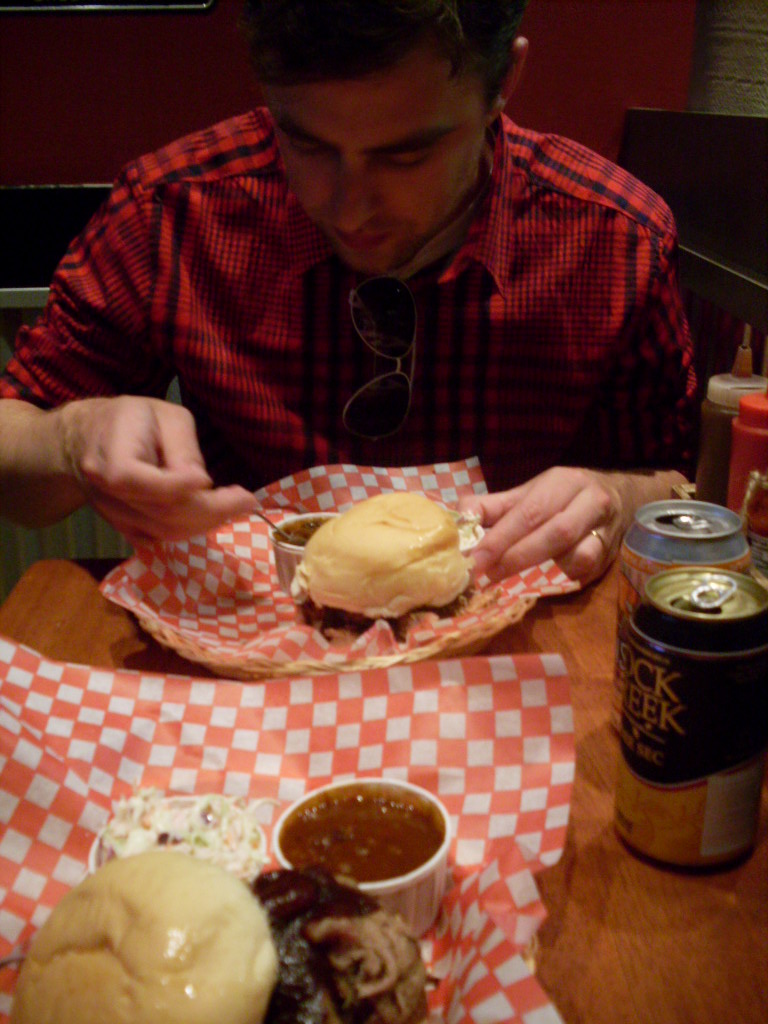
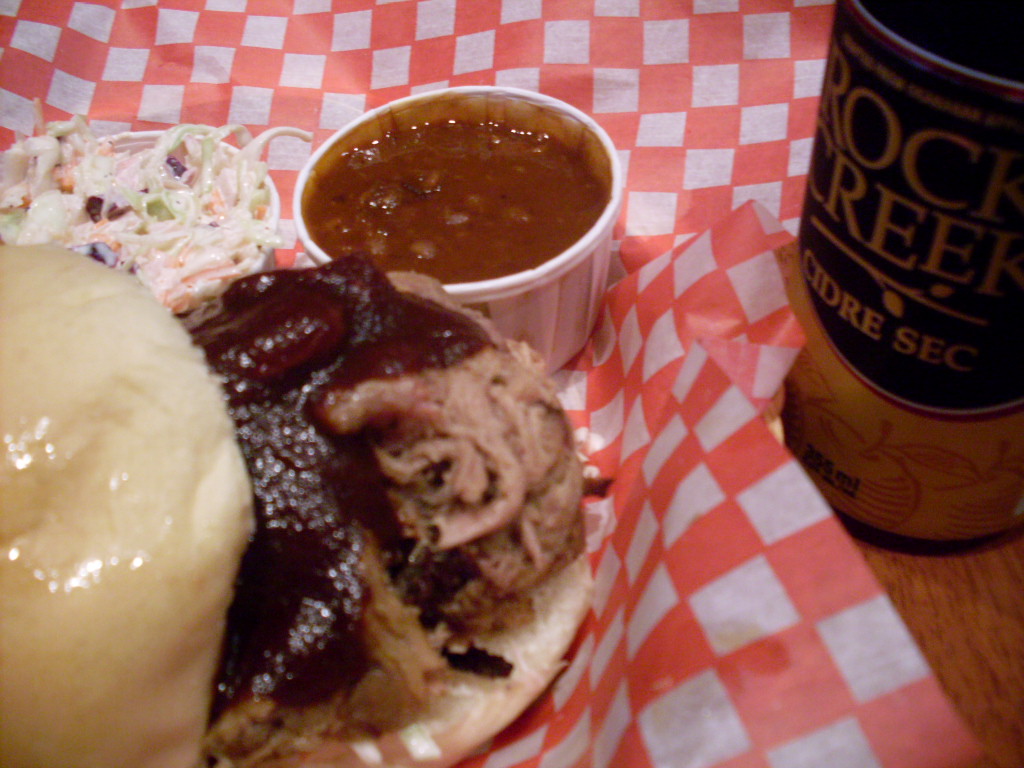
Memphis Blues: Where I got mocked by the meat guy for being a glutton. Whatever. I love meat and pie.
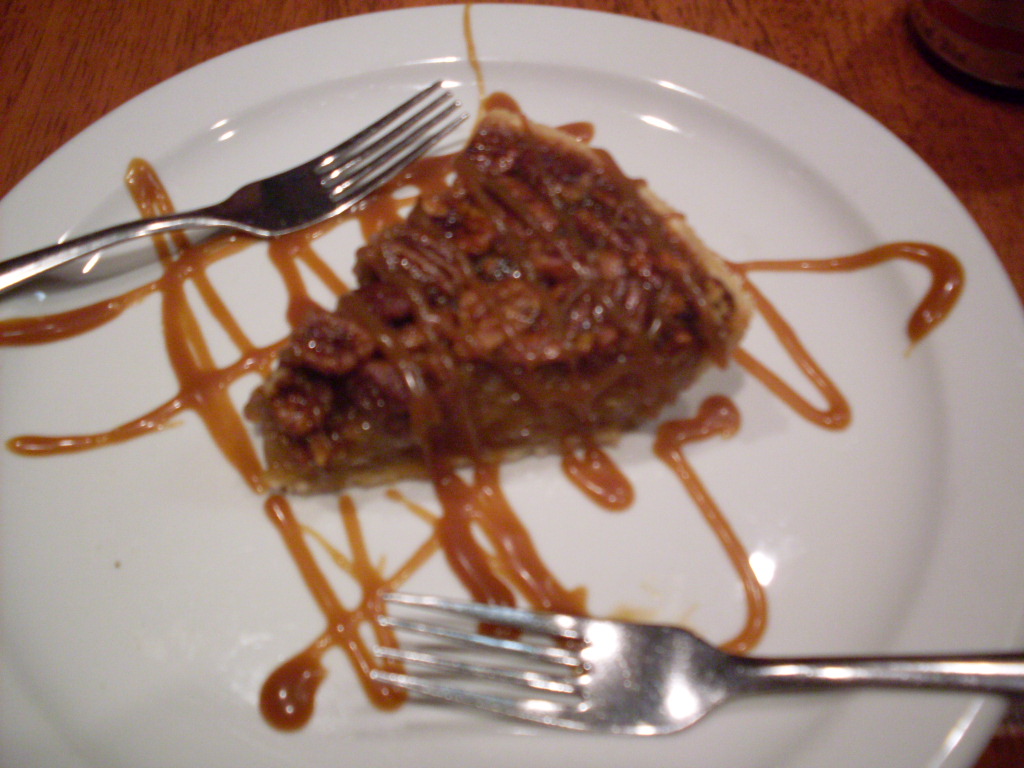
Memphis Blues: Where I got mocked by the meat guy for being a glutton. Whatever. I love meat and pie.
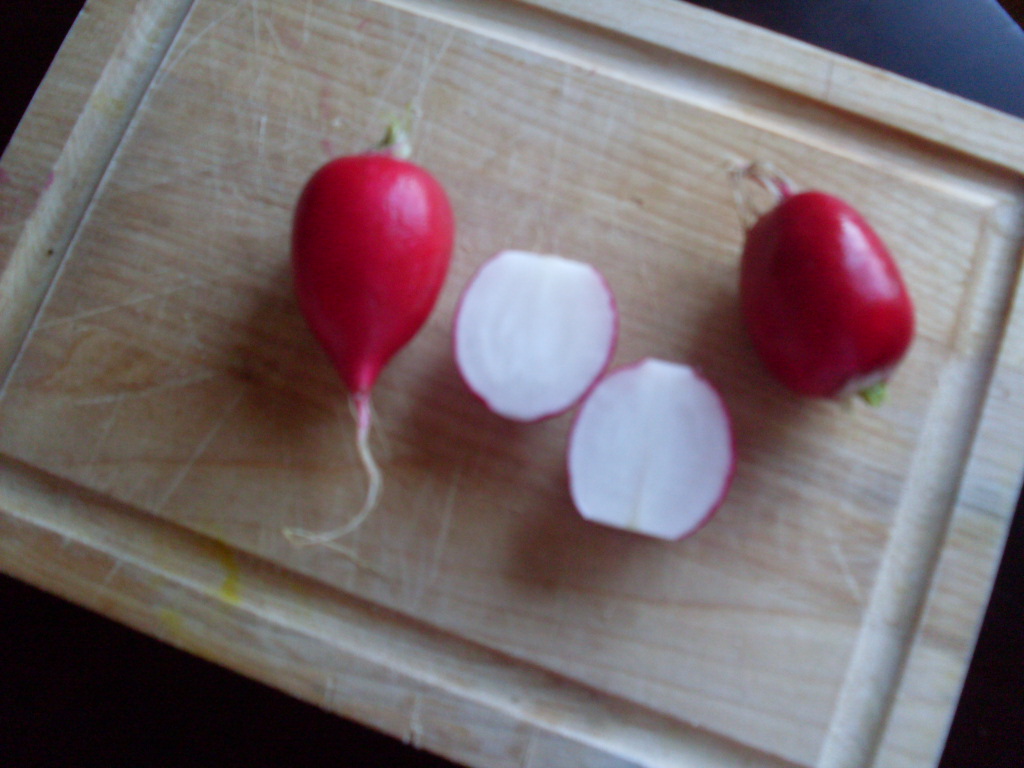 I don’t know about you, but I love radishes. LOVE them. I like them raw, sliced over baguette with fresh, homemade butter and fresh-ground black pepper; I like them quickly pickled in a little bit of rice vinegar with sugar and hot red pepper flakes. I like them in salads, in egg salad and tuna salad sandwiches, and whole, eaten like miniature apples, each bite dipped in sea salt. I like them in bruschetta. There is no way that I won’t eat radishes. I love their peppery blitz on my tongue, the way they are so bright and crisp and wet, such a perfect red byproduct of water and earth.
Nick is more reluctant, and doesn’t love them like I do. He’s okay with my radishy urges, but doesn’t embrace them significantly, or even properly. I’ve never seen him pick radishes up when shopping. I’ve never caught him popping them into his mouth, as if secretly, in those quiet minutes before tooth-brushing, cat-feeding, and bedtime. I doubt he even dreams about them.
But this is not about Nick’s shortcomings as an eater. I am certain that one day, I’ll find him crouched over the crisper, teary-eyed at the way the radishes look beside the lettuces and lemons. One day, he will look at food the way he looks at video games.
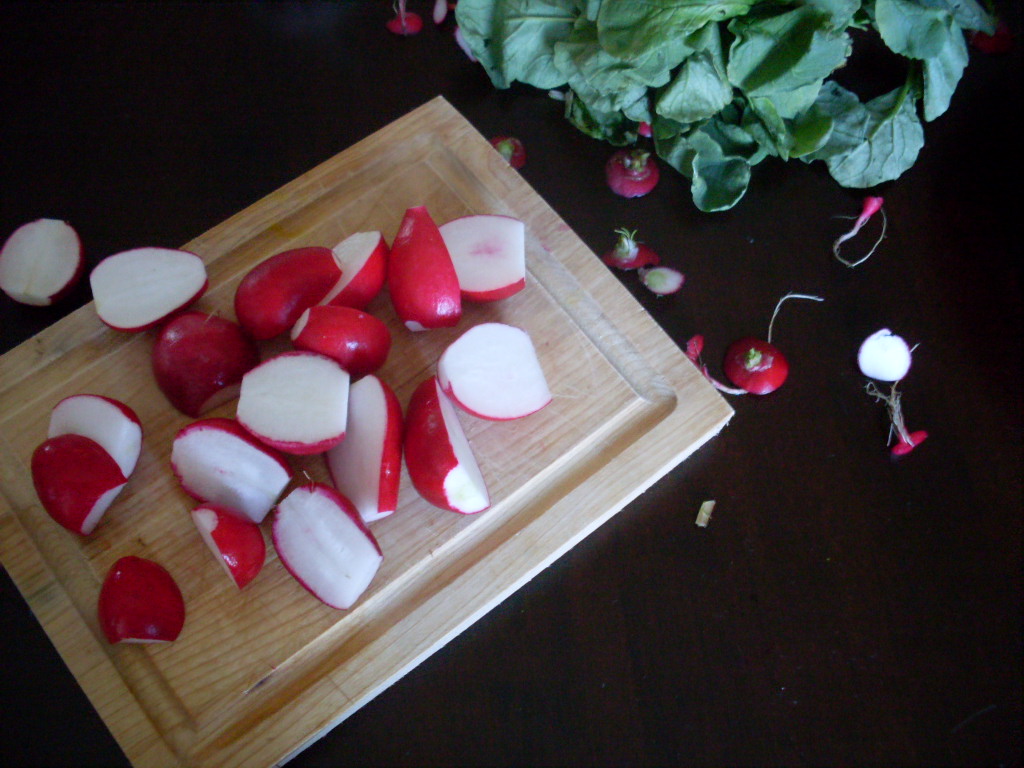 Tonight we got a little closer to that day, and it was radishes that pushed him. He asked for seconds.
We had a couple of small pieces of venison for dinner (the second last package of venison remaining in my freezer from last fall’s hunt), but the main event was radishes, roasted with whole cloves of garlic and tossed with a pinch of fresh parsley and the gentlest squish of lemon to ever occur in my kitchen. The radish greens were tossed in with browned onions during the last minutes of their fast caramelization in the meat juices and cooking fat. There was so much black pepper! Nothing went to waste. And it was efficient – dinner was on the table within twenty minutes.
If you’ve never roasted radishes, once you do this will probably be the way you’ll come to love them most, if you don’t already adore them irrationally. Just a quick sear in a dash of oil in a pan over high heat, then into the oven for 15 minutes, and that’s it. Toss with herbs and pepper and lemon and salt, if you feel like it. That’s it, really, but here’s the recipe anyway. Make them tonight?
(Serves two as a generous side dish.)
Preheat your oven to 425°F.
Trim each radish, top and bottom, removing the root and top. Slice in half lengthwise, if your radishes are of average radish size, or in quarters if they are very large. Peel garlic, and trim the tough ends off if necessary.
In a sauté pan that you can use on the stove-top and in the oven, over high heat, heat olive oil. Add radishes and cook quickly, no more than a minute per side. Add whole cloves of garlic, and put into the oven, uncovered.
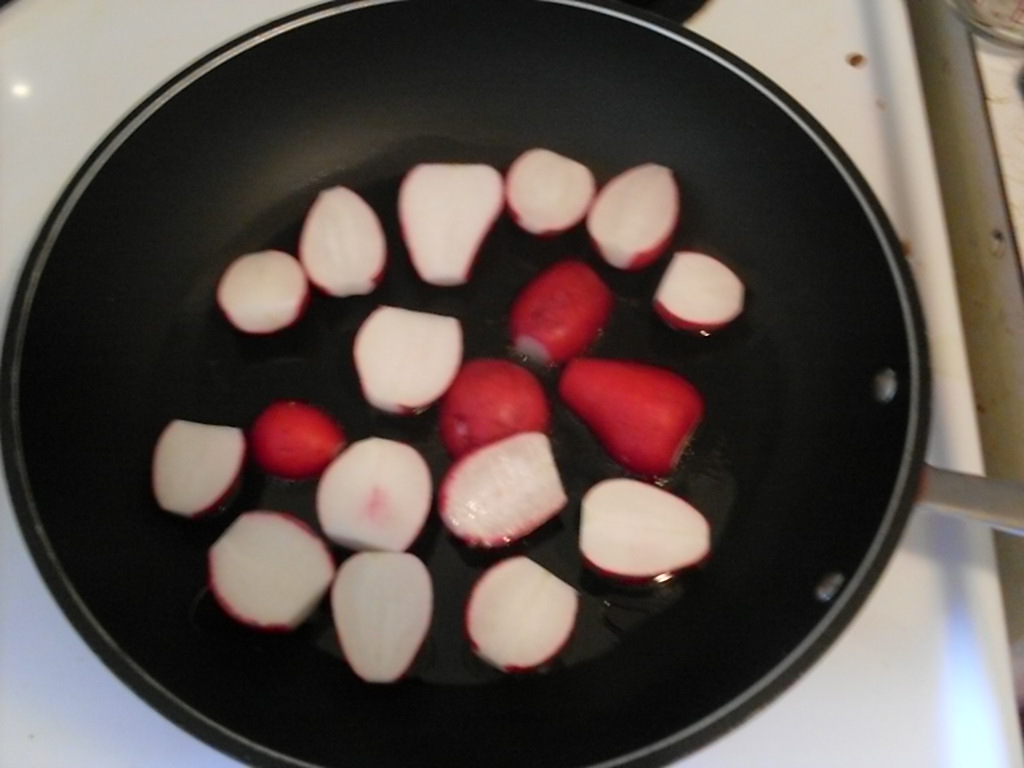 Cook for 15 to 18 minutes, turning radishes and garlic each once halfway through cooking. Both sides should turn a deep golden brown.
Toss radishes and garlic with herbs, lemon juice, and salt, and serve immediately. Take a blurry picture, then eat.
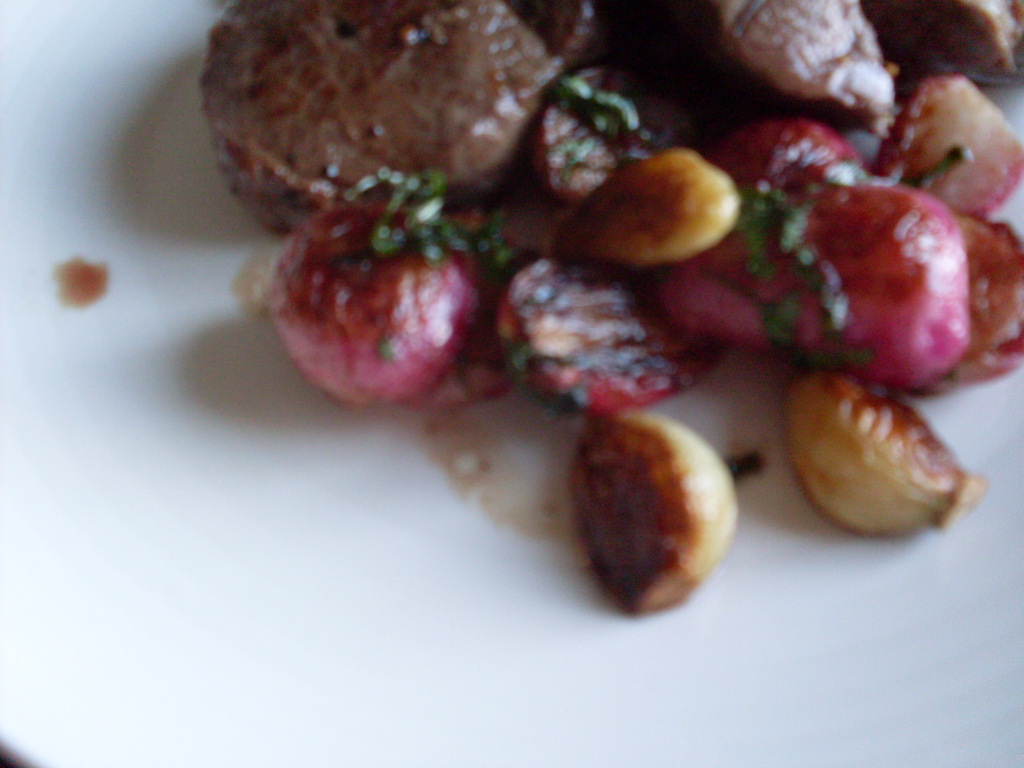 They turn sweet, almost buttery. They lose their peppery taste, but take on something different – still bright and springy, but a little more subtle, and silky on the tongue. They are very good as they are (with meat and their sautéed greens), or mushed up with soft cheese on fresh bread. Like cooking cucumbers, this is the kind of thing that everyone should know about by now but for some reason doesn’t. But you do now! Now there’s no excuse. Enjoy!

Yesterday was one of those very good days that required no vehicle and no long trips away from home. The day started groggily, and with starvation, so we walked over to Szechuan Chongqing for spicy green beans and siu mai and king crab with garlic, among other things, and to meet up with Theresa, Mick, and Corinne.

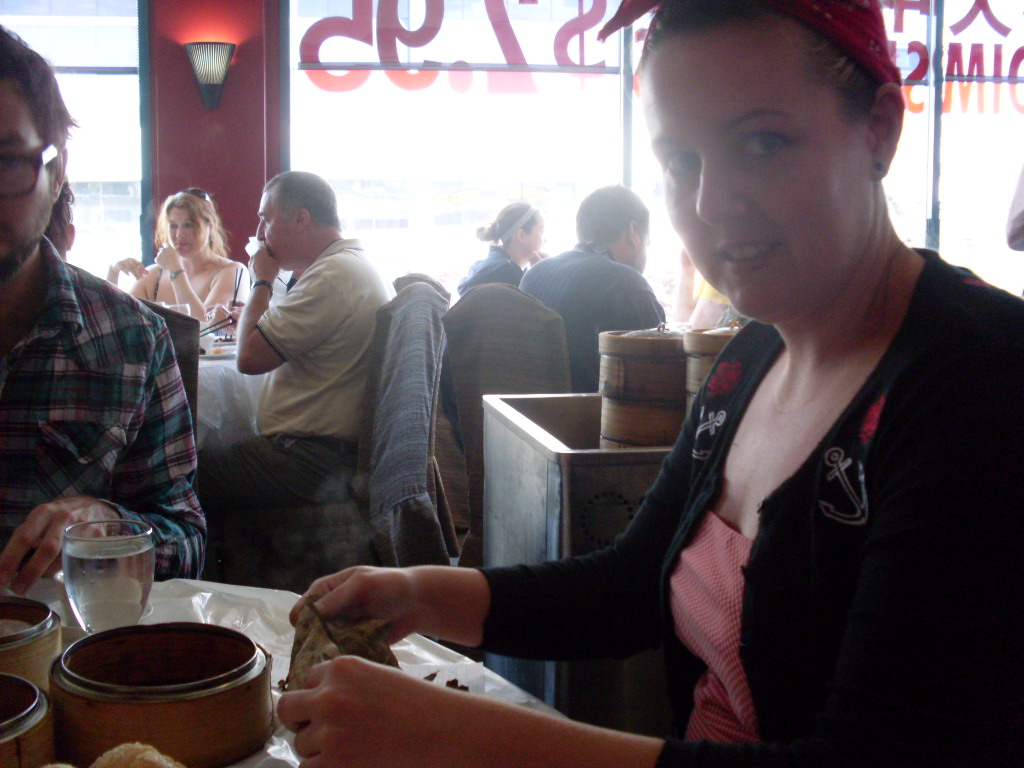
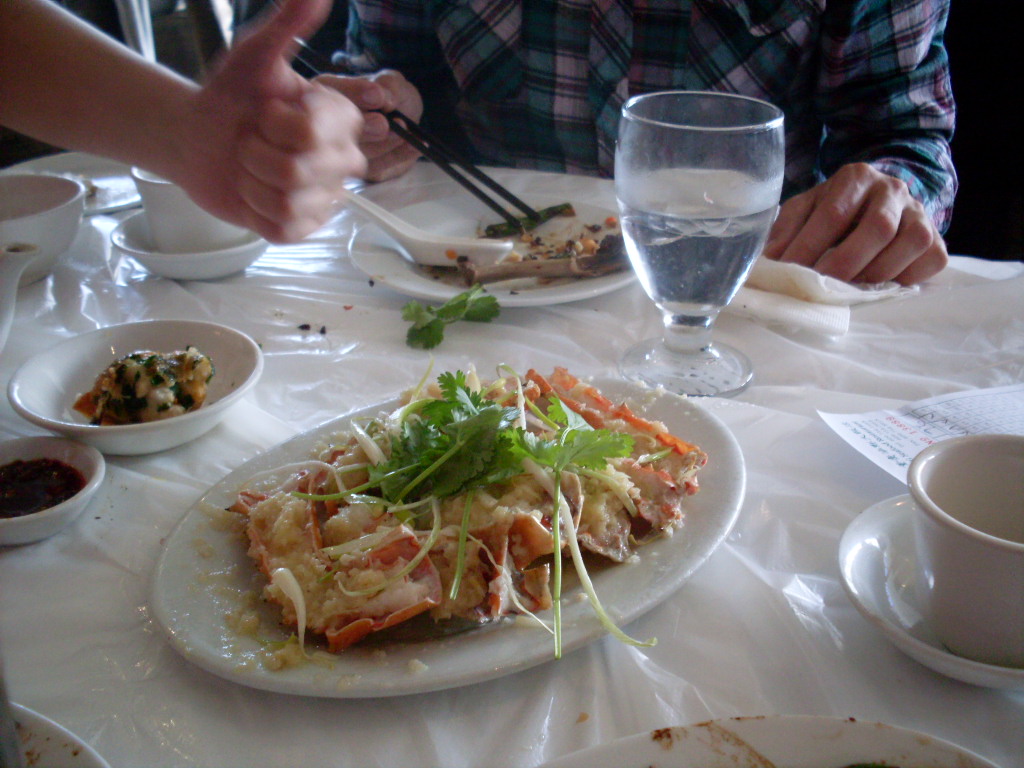 We ate until we were sure we were sure we’d explode, which is how you’re supposed to do dim sum, and then waddled our separate ways, with Nick and I headed for Granville Island and patio beer.
 While there, we grabbed spices and vegetables, and two thin pieces of fish, and wine. Always wine, because if you’re going to eat white fish you need white wine to go with. Everyone in the entire market was smiling, Nick noted, and why wouldn’t they be? The sun was trying harder than it has in a long time, and there was a man with an accordion, and everything smelled fresh and all together the fragrance of ocean and roses and bread and fudge and smoked meats and maple and fruit musk was invigorating. In this city that’s smelled like wet pavement for a week, things were looking up. With the late afternoon to spare, we headed home, intent on writing and napping and that wine.
And dinner was just as easy and low-key. Nick chose the ingredients at the market – the fish and some asparagus, and in the time it took to roast the asparagus in the oven – twelve minutes – I made Julia Child’s beurre blanc, two poached eggs, and the fish, pan-fried very gently in a film of melted butter. It was the kind of meal you could eat any night of the week, easy and fast, but also so delicate and elegant that you could serve it to good-quality company. The secret, of course, is the beurre blanc, which is basically an emulsion of butter and acids, lemon and/or vinegar (or wine!), some shallots, a little bit of salt, and, if you’ve got it, white pepper.
You can make up to a cup of this by using a bit more butter, but since it’s just the two of us, I use 3/4 cup. You’ll have enough for four people with the recipe below.
(From Julia Child’s My Life in France)
In a heavy bottomed sauce-pan, place salt, pepper, vinegar, lemon juice, and shallot over high heat, and reduce quickly until only about a tablespoon of the liquid remains.
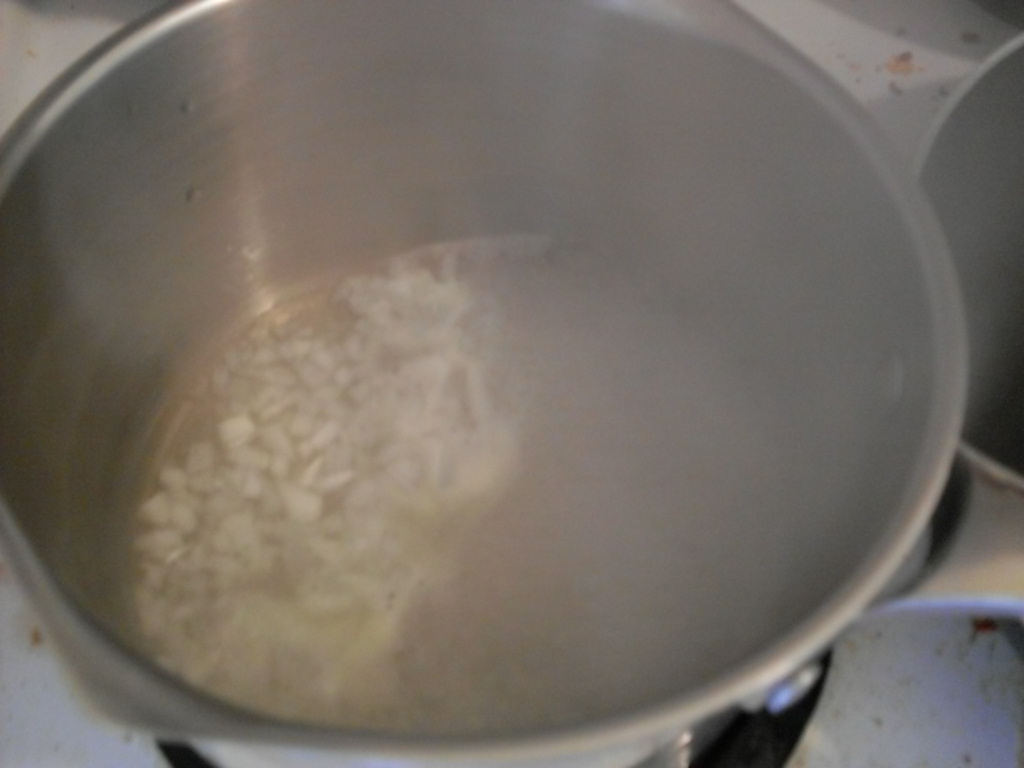 Remove from heat, and turn heat down to low. Whisk in the first cube of cold butter, and then the second, until a cream forms. Return the pot to low heat, and continue whisking in cubes of butter, adding a new pat just as the last piece has melted into the sauce. Serve immediately, spooned over fish or vegetables. All in all, this takes about five minutes. Less, maybe, and you can do it as your fish cooks and your asparagus roasts and it will all be done together.
 Serve with dry white wine. On a patio, if you’ve got one.
The acidity combined with the butter makes this a bright, surprising sauce that works well over a thin slip of fish, sole or trout, or even salmon or halibut. Also, it’s fun to say. Beurre blanc. It’s even more fun to eat.

 My long-lost friend Vanessa came over the other night, long-lost because she has just re-emerged from a self-imposed thesis-writing hermitage, and we had dinner and rhubarb cobbler and talked about books and our mutual love for Lady Gaga. I have been missing women lately, because the ones I know are absurd and hilarious and we’ve all reached that boring age at which “work” and “Costco” all too often rank higher on our lists of priorities than does “witty banter” and “drinking too much on a Monday.” Well, that’s not true. Work and Costco are rarely priorities of mine, but I have so many bills and we always seem to be low on toilet paper. But you know. You know?
It’s hard to justify complaining, though, and there are far worse things happening in the world than my bad mood. And while I am crabby this week, I did find that baking and witty female company made things a little better. Here’s a recipe that you can use if you need to feel better, or to serve the smart, funny someone you’ve been missing, or to the one that’s still around because she has the good sense to not to leave you alone too long. It’s a plain old cobbler recipe made spiffy with a few unexpected flavours – rhubarb and rosemary and lemon zest. All good things, and don’t forget the ice cream.
Cobbler:
Filling:
Preheat your oven to 350°F.
Grease a 1 1/2-quart casserole dish with butter, and into it toss rhubarb, sugar, lemon juice, rosemary, and salt. Stir to coat rhubarb.
In a bowl, combine flour, sugar, baking powder, lemon zest, and salt. Add butter, mixing until dry ingredients begin to form crumbs, then stir in milk and the egg. Stir until dry ingredients are just moistened.
Using a spoon or your fingers, pluck golf-ball-size rounds from the bowl and place on top of rhubarb, one ball at a time, until there is no dough left in the bowl and the rhubarb is mostly covered. You can smooth it down if you want, but I never bother. “Rustic” means that it looks homey and didn’t require fussing.
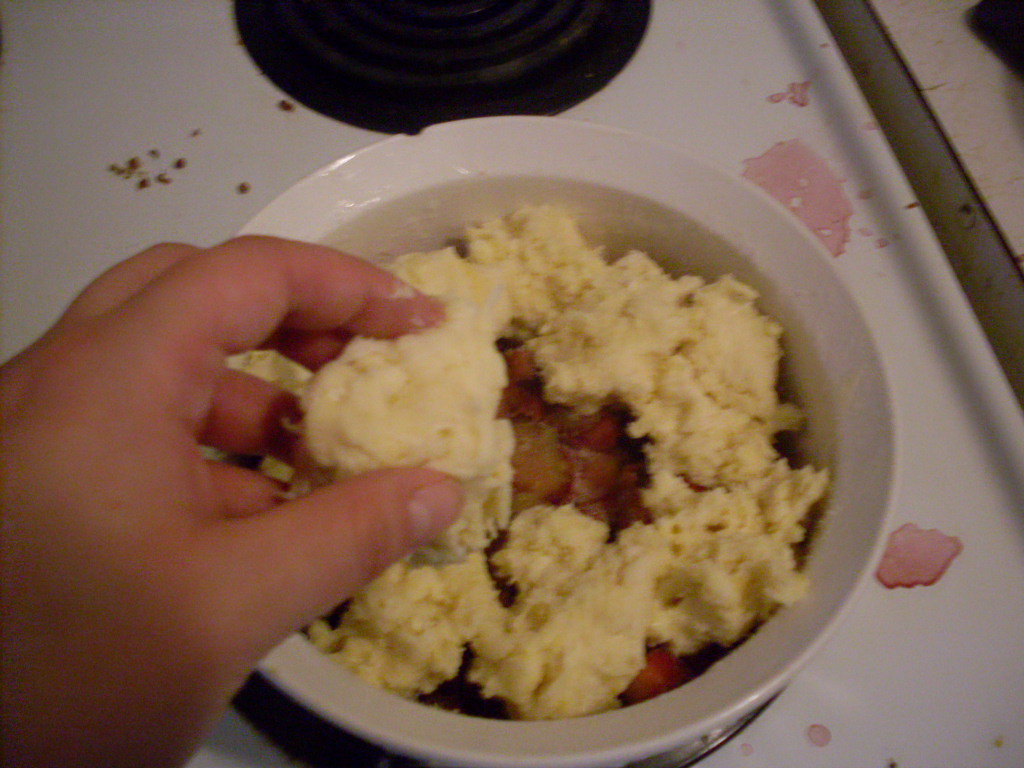 Bake for about 30 minutes, or until the top is golden and the rhubarb mixture bubbles around the sides. Let cool 10 minutes, then serve warm, with ice cream. I forgot the ice cream, and really noticed the lack of it.
The rosemary in this is what makes the whole thing magic. It might seem bizarre, but it totally works – I learned about it from Grace, and it rates as highly on the list of things I learned as the time I figured out how to multiply nines. Please do try it – there’s still rhubarb growing, as the season got off to a rocky start and it’s just beginning to really thrive. And be sure to demand company – you can ask her to pick up ice cream on the way. French vanilla is preferable.
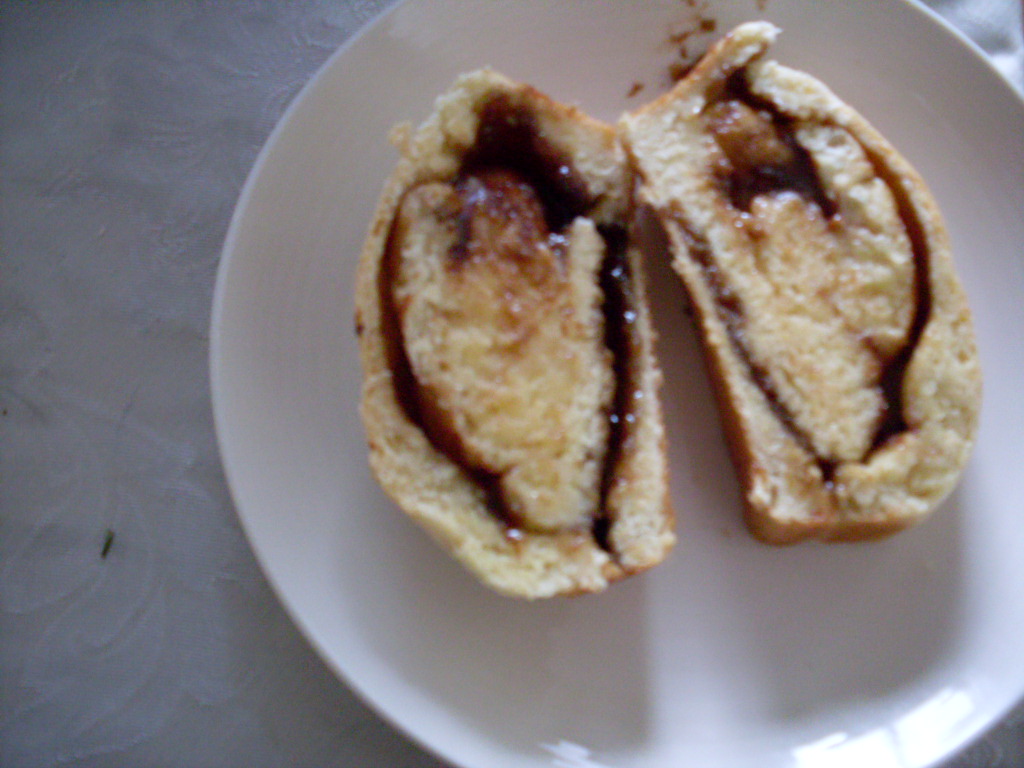 Amazing what one’s draft folder sometimes contains! I went to clean it out today because I start a lot of things and never finish and I don’t need reminders that I am flaky and noncommittal, and discovered that I went to all the trouble of typing out the recipe for my lazy breakfast bread, and then discovered that all the blurry pictures were saved to a folder on my desktop. So, it’s like the post wrote itself, really, and I am just relaying it to you now, after the fact.
But I’ll tell you about the bread anyway, because this is the kind of thing you can make for brunch when you forget until that morning that you had invited people to your apartment for brunch and you have nothing but canned tomatoes and a bag of frozen peas to feed them. The bread only requires one rise, and is essentially cinnamon buns in loaf form. By using fresh-made cornmeal mush, you get the advantage of heat in the dough, which speeds up the yeast proofing and dough rising, and it also lends a nice texture. You could also use cream of wheat or oat bran – whatever fine-textured hot cereal you have on hand will do.
This not a bread with a lot of complex, yeasty nuances, but that’s not the point. The cinnamon and sugar are the point, and when you’re short on time or just don’t feel like waiting, this is a good go-to loaf. You can fill it with things other than cinnamon and sugar if you prefer – cheese and bacon are always favourites, and sundried tomatoes and herbs are also nice. You could use raisins, but I hate raisins, so I’ll never be able to tell you whether that variation is good or not, but other dried fruits (with butter!) might be interesting. Play with it. And if you have time, give it a little bit longer to rise – it’ll puff up more, giving you more loaf to enjoy later.
Bread:
Filling:
In a small pan, cook cornmeal in 1/2 cup of water. When water has been full absorbed by cornmeal, stir in milk, butter, sugar, and yeast. Let stand five minutes.
Measure flour into a bowl and pour warm corn/yeast mixture over top. Mix well, and then turn out onto a floured surface to knead. Knead 10 times. Cover and let rest, 10 minutes.
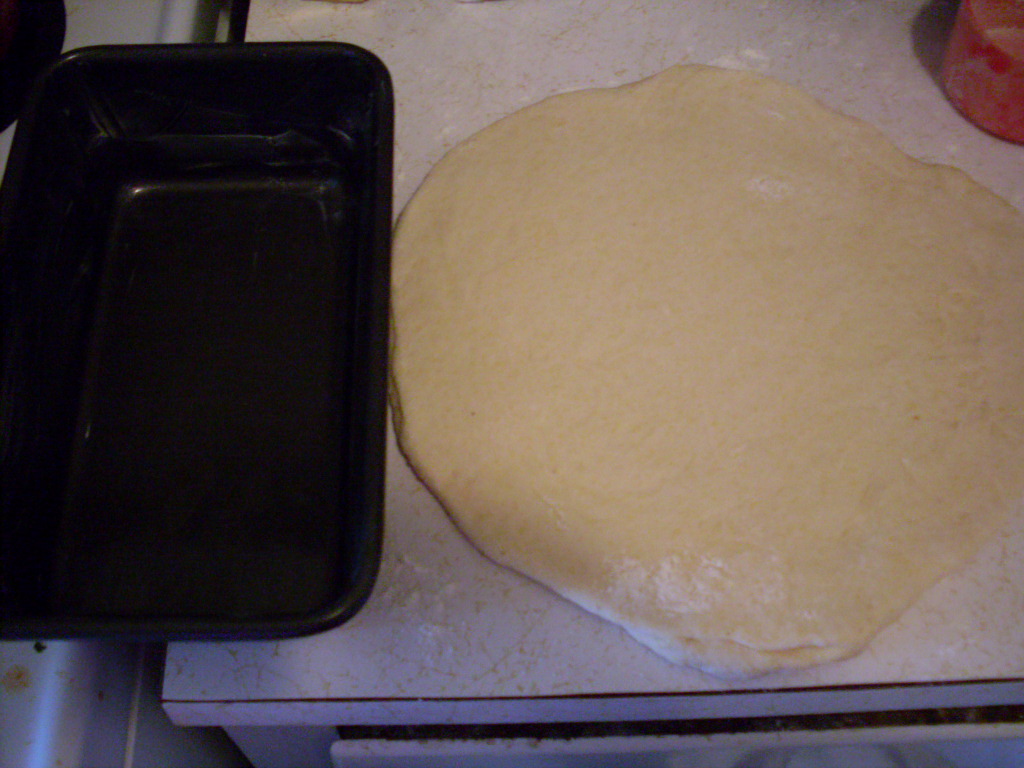
Grease a 9″x5″ loaf pan with butter. Set aside. Roll dough out until it is 9″ wide and about 13″ long. Spread with butter, leaving an inch on the outside on all sides. Sprinkle with evenly with brown sugar, pressing down on sugar with your hands to flatten it. Sprinkle with cinnamon.
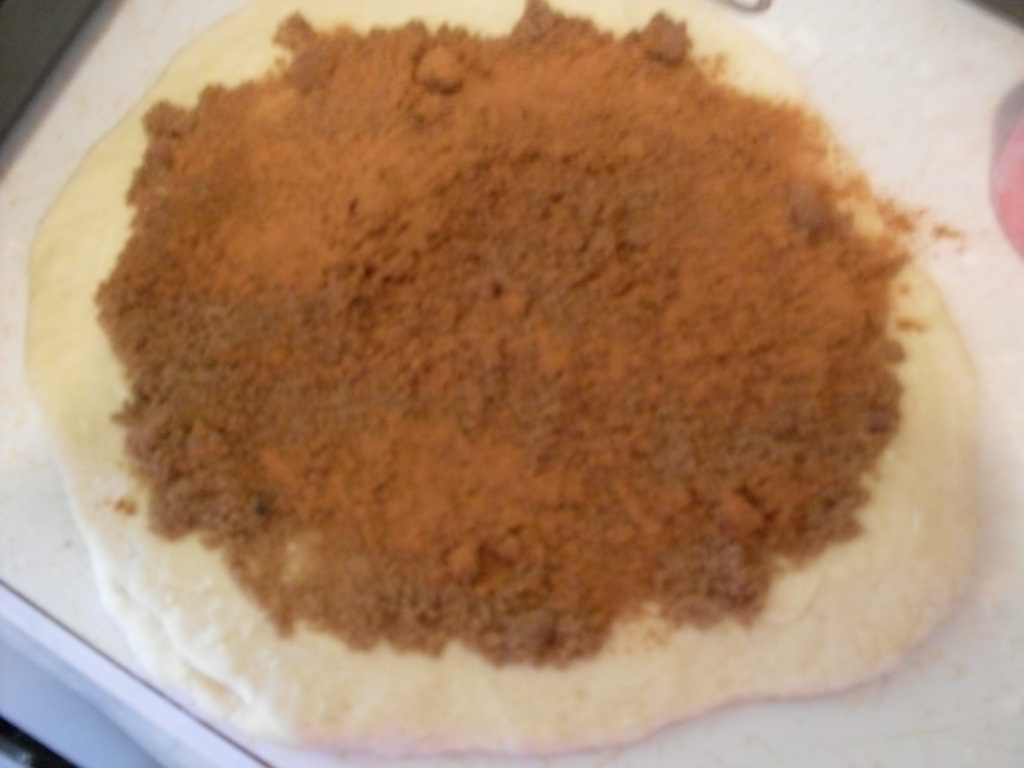 Roll width-wise, tucking the edges of the dough in as you go. You should end up with a log that will fit quite nicely into your pan.
Cover with plastic and let rise, 30 to 60 minutes.
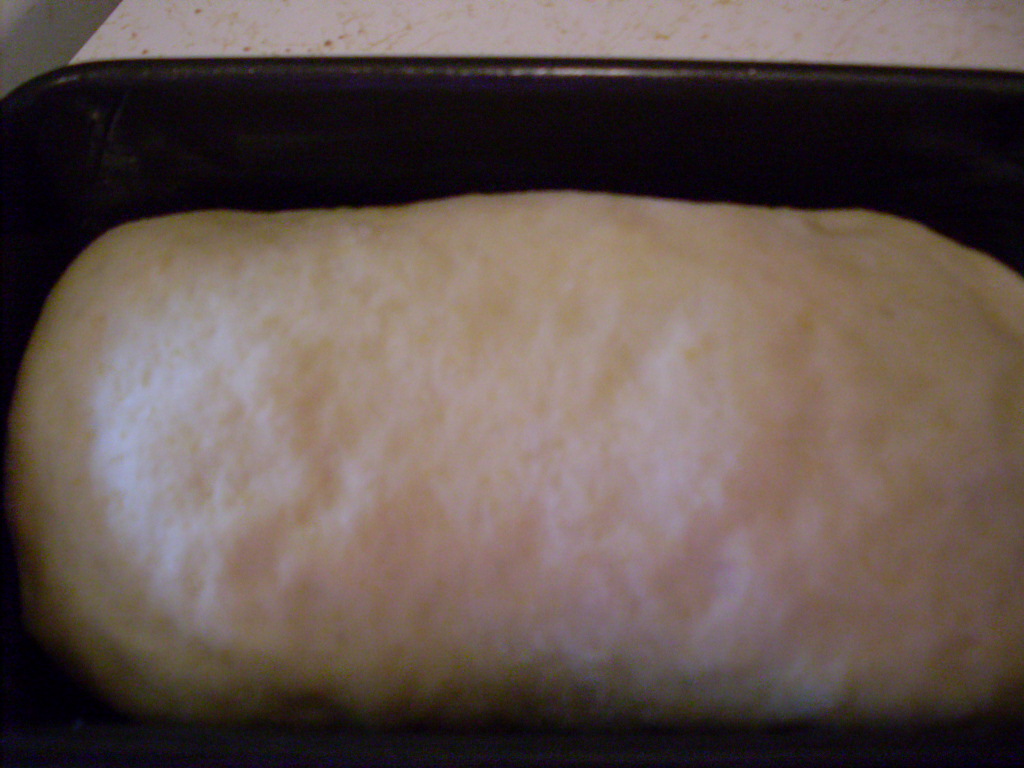 Bake at 375°F for 20 to 25 minutes.
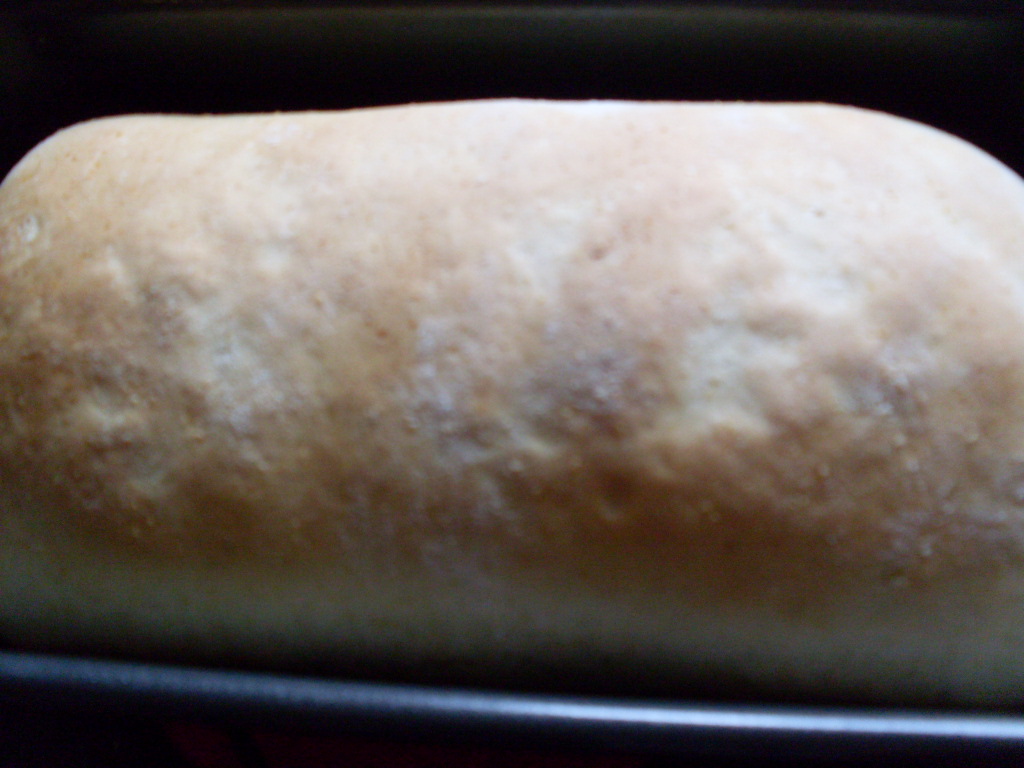 Let cool for five minutes in the pan, and then turn out onto a wire rack. Slice and serve warm, with butter. What you’ll end up with is a delicious cinnamon-bun-type loaf that, if you’re lucky and there’s leftovers, makes a fantastic French toast for breakfast the following day.
There. That was easy! And with the little effort I put into this one, I feel that the next thing should be a little premeditated, a bit more effort.
Oh! And thank you to Linda for her kind words on her blog! I feel like I should respond with a list of my own favourite food sites, so I will do so later this week. I will do that, and maybe something with radishes, because they are so in season and so lovely right now. So, stay tuned. Something good will happen here, I promise.
 Kitten and I are alone this weekend, as Nick is off to a rainy lake four hours away to fish for trout/drink on a boat. And so I will stay in this rainy city, with tinned fish and my pajama pants, and drink on my couch. At least tonight. Though this work-week was only three days, they were three busy, non-stop days that required focus and effort – neither are strengths of mine.
So I’m staying in, alone. And instead of cooking, I’ve opted instead to “assemble” a meal, and have put together a grazing platter that should carry me through the evening, if I am able to stay awake. The centre of the meal is a thing with sardines, and it’s based on this anchovy thing I really like called anchoïade.
Anchoïade is a French thing, and at its most basic, it’s a potent mix of anchovies, olive oil, lemon, and garlic. It’s delicious, but I can’t quite justify a large dish of the stuff because anchovies are not a particularly sustainable ingredient these days. Good news though, sardines are. They’re plentiful, and they’re from close-by – there’s a cannery in California in Monterey and when I eat them I think of John Steinbeck because I love that book and because I literally hemorrhage bliss when an item of food tickles my book fancy, if you know what I mean.
I hope you enjoy this little adaptation. It’s for Linda, who asked for a sardine recipe; she’s expecting a baby, and sardines are all kinds of good for moms-to-be. Wander over to her place and say hello!
Okay. You can do this two ways.
The easy, smooth-textured way to do this is to grind almonds and garlic in a food processor, then add remaining ingredients (add the oil from the sardines too, don’t forget!) and pulse until the mixture achieves the texture you prefer. I like this way for parties and things where you can just put it out without having to explain too much about it. It will resemble pate, and it will work as either a spread or a dip.
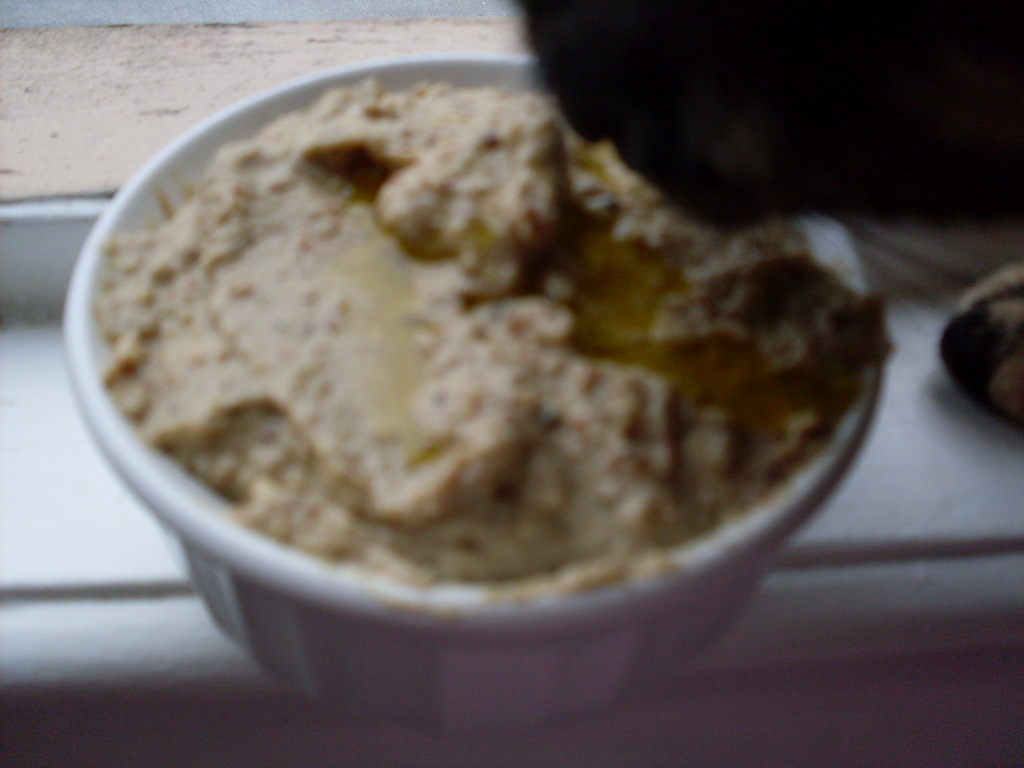 The other way, which is also easy but has more steps, is to chop the almonds as finely as possible (or as you like), mince the garlic, and mix them both together. Dump the tin of sardines into the mix, oil included, and mash it all up together until it’s a texture you like. Stir in remaining ingredients until well combined. This is better as a spread. It’s much less attractive, but just as, if not MORE tasty.
Scoop either variation into a ramekin, and drizzle the top with good oil. Serve either on a plate with pickles, slices of hard-boiled eggs, and slices of baguette. You must also have wine or sparkling water. Pajamas optional, but always implied.
 If you have any left over the next day, it’s nice to thin it out with a bit more olive oil and toss pasta with it, topped with fresh herbs and grated Parmesan cheese.
Enjoy!
 I have long felt hard done by for the lack of a large Italian grandmother in my life. My grandmothers have all been quite fantastic, of course, but we’re so Canadian that one not-too-distant relative was mentioned briefly in a Farley Mowat book, which I am pretty sure is the Canadian equivalent of boasting ancestors arriving on the Mayflower. Which is not to say that Canadian is a milquetoast heritage – it’s got more than its share of culinary ooh-la-la, and not just what Americans call Canadian Bacon (which is actually just ham). But what it doesn’t have is olive oil.
You know where does have fantastic olive oil, though? San Francisco. So maybe an Italian grandmother is not entirely what I need – maybe I need an American BFF instead.
 Years ago I discovered the good olive oil, and it comes from a shop in the Ferry Building on the Embarcadero. It’s made from organically grown California olives, and I would do some very morally questionable things to have access to a lifetime’s supply. Unfortunately, they don’t ship to Canada. It’s like being in love with someone who doesn’t return your calls.
So when we went back recently, I had but two orders of business: get myself to City Lights Bookstore which is the kind of place I nearly fall down weeping at the entrance to which means that I chose the right major in spite of the long-term earning potential I sacrificed; and, get to the Ferry Building for the good olive oil. I misjudged the distance from Fisherman’s Warf to our oily destination, causing my party of five to have to hike nearly thirty minutes in bad footwear, but it was totally worth it. For me.
What I love about the good olive oil – Stonehouse Olive Oil, if you’re too lazy or captivated by my elegant prose to click the link above – is that it tastes how I imagine fresh olive oil in Italy would. They sell each batch the same year it’s harvested, so it’s as fresh as you can get without actually sticking your face under the olive press.
Oh, San Francisco – what scandalous, depraved, excellent things I would do to be able to live with you forever.
 Anyway, I got the oil, and I’m hoarding it. Except I used some tonight, a good amount of it for someone who is unsure when they’ll be back to the States to get more. We had soup – an enormous pot of it, because it’s the week before payday and we’re just back from vacation and OMG-broke, like, so much so that I jammed the vending machine at work with foreign money this morning trying to get an orange juice. I make big pots of soup when I’d prefer to stretch a meal into three to avoid starvation, and this, made of pantry staples, will take us handsomely through lunch and all the way to dinner tomorrow. For regular households, that means eight to ten servings. It’s easily adapted to smaller feedlots, however, so fiddle with it until it’s to your liking.
(Serves 8 to 10.)
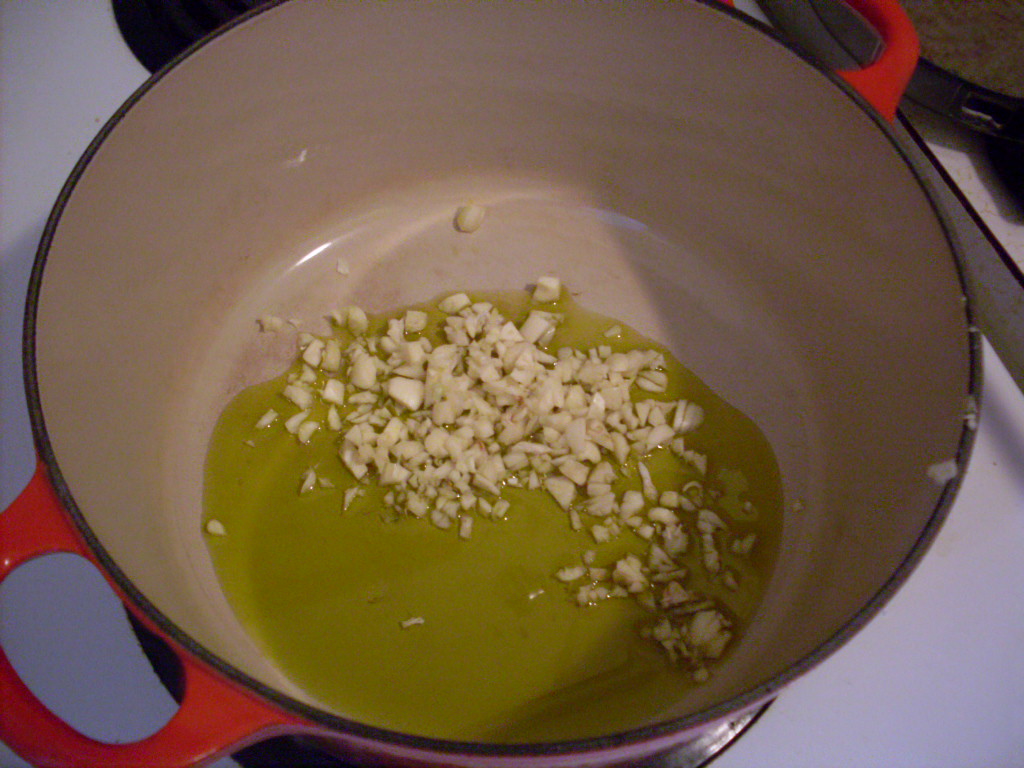
In a large pot over medium-high heat, warm olive oil. When olive oil is hot, add garlic, and sauté until fragrant and lightly golden, about two minutes.
 Meanwhile, whizz bread cubes in a food processor or blender until you end up with coarse crumbs. You don’t want to grind the bread too finely, or you will end up with a soup with boring texture, and no one wants that.
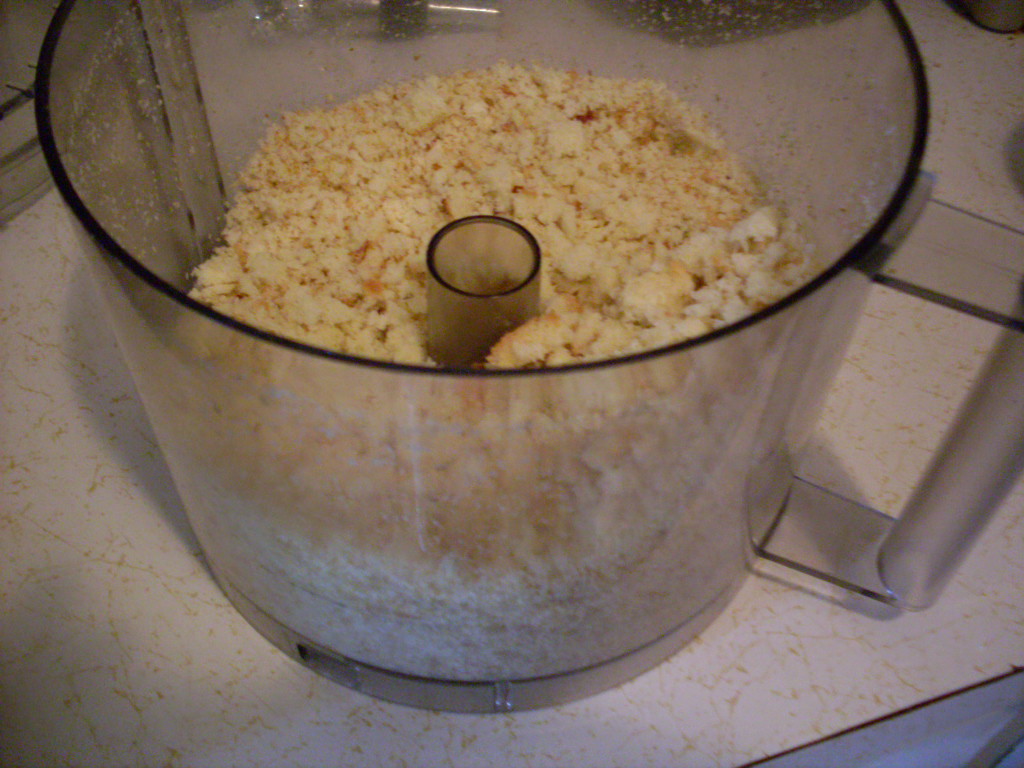 Add bread crumbs to the oil, and stir to coat. Immediately begin squishing tomatoes into the mix, adding juice quickly and scraping the bottom of the pot to ensure nothing burns to it. Add the wine. Stir again. Add the broth.
 Reduce heat to medium, and simmer, uncovered, for 30 minutes.
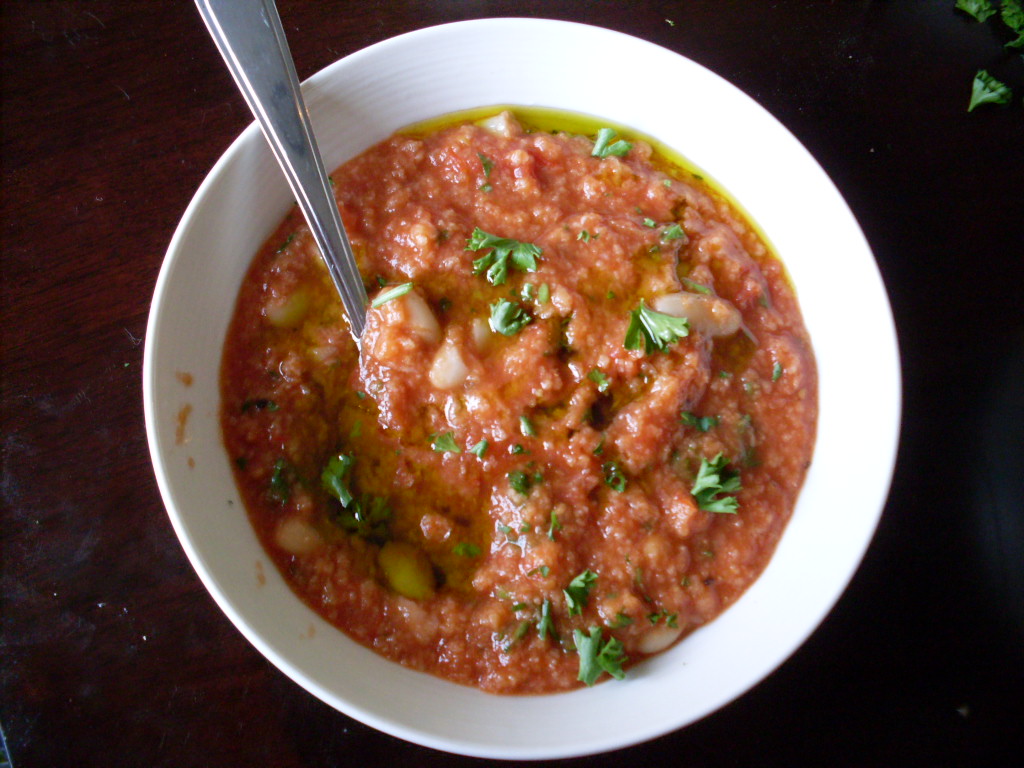
After a half-hour, add beans, cheese, parsley, lemon zest, and pepper. Simmer an additional five minutes, until parsley has wilted and the whole thing smells magnificent.
If it’s a dark and stormy night and the water runs down the window so fast your cat can’t keep up with the drops, serve piping hot, with a swirl of your favourite olive oil, a lemon wedge, and a fat hunk of crusty fresh bread. And wine. Red wine. If it’s not, this is pretty nice chilled, like a hearty gazpacho, but serve with a charming white wine, a Pinot Grigio or a Sauvignon Blanc instead.
It’s delicious on the first round, like a bread and bean stew, but even better the second day. The hallmark of a quality meal, if you ask me and my imaginary Italian grandmother.
 Tremendous news – we’re going on vacation! A short one, but it counts because there are planes involved (several … which is only glamourous if I don’t tell you that we have layovers … on a trip from Vancouver to San Francisco) and because we are staying in hotel rooms and not tents. I all-caps HATE tents. At the first sight of springtime sun, Nick gets all goobery-eyed at the idea of driving to the middle of nowhere and sleeping in a tent we borrow from one of our sets of parents, and subsisting on hot dogs and box-wine while sitting in busted folding chairs for four days. Which? I’ll pass on, thanksverymuch. The last time we went camping we ended up parked beside the highway and Nick fell asleep under a van in nothing but his underpants and running shoes, and at that point I didn’t even care if he got eaten by bears. We weren’t married yet, so I didn’t have a lot invested in his NOT being eaten by wildlife, and that weekend he had it coming.
But the important thing is not that Nick and I are charmingly, recklessly dysfunctional, or that since it’s my blog I can make him look like the irresponsible one and you have only my word to go on. No. The important thing is that we (me, Nick, and Paul) are going to San Francisco. And also Las Vegas. Because my friend Theresa is flying in from Australia with her boyfriend, and we’re going to have the most fun ever.
And I’ve digressed again, because this isn’t a post to brag to you about my exciting, margarita-filled journey or my tumultuous, margarita-filled marriage. I’m really here to talk to you about cookies, because I thought it would probably be wise to clean out the fridge before we go, and I always get so distracted doing that. Out came the carrots and a lime, and I thought about how nice cardamom would be with all of that, and before I knew it, the butter was unwrapped and the oven was preheating and I’d forgotten why I’d opened the fridge door in the first place.
So these are carrot cookies, but because I was procrastinating, they’re different from your typical carrot cookies. The carrots are not grated as if you were making carrot cake; they’re puréed. The cookies are soft, so fluffy – like little cookie cakes, or sweet tiny scones. I’m going to eat twelve of them with tea for breakfast. There are no awful raisins crammed in, and the spices aren’t autumnal either. Not a whiff of cinnamon in the batch. And forget about cloves! These are carrot cookies for the bunny rabbits – all spring and POP! and there is no way I’m sweeping the kitchen floor tonight.
(Makes about 24 cookies.)
Whisk together flour, baking powder, baking soda, and salt. Set aside.
Cream together sugar and butter until fluffy. Add carrot, scrape down the sides of the bowl, and mix well. Beat in eggs, vanilla, lime zest, lime juice, and cardamon.
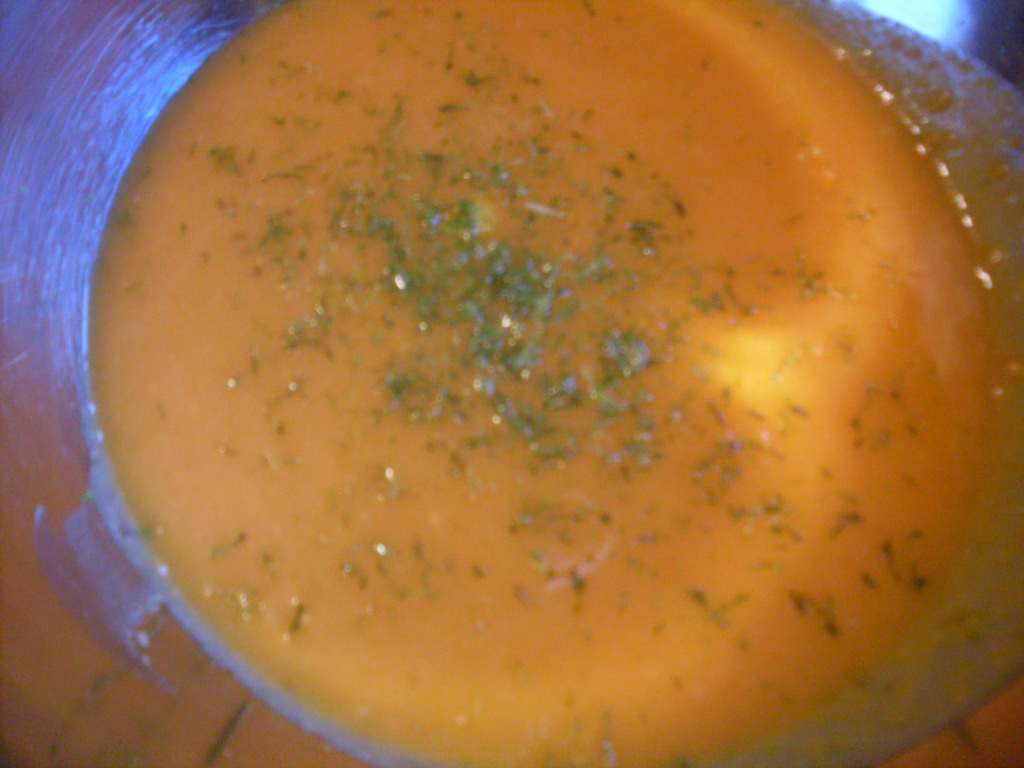 Stir flour mixture into carrot mixture and beat until thoroughly combined. What you will end up with will look like a thick cake batter and a very moist and sticky cookie dough. Place in fridge for 30 minutes.
Preheat oven to 350°F.
Roll chilled dough into one-inch balls, dropping and rolling each ball in sugar. Place each ball on a buttered cookie sheet, about an inch apart, and press with the tines of a fork. Repeat, 12 to 24 times.

 Bake for 15 to 17 minutes, until puffed and lightly browned. I’d say golden, but these are already orange. I wish I could show you how orange.
Eat as many as you can hot from the oven. Or, cool on a wire rack, and store in a sealed container.

 I know. You’re probably looking at that photo thinking, “wow, she’s pretty lucky,” or “he’s probably the best she could do.” Some days, I’m not sure which is right. Or maybe you’re new here and this is your introduction, and you’re thinking that you’ve made a horrible mistake in clicking whatever link brought you here.
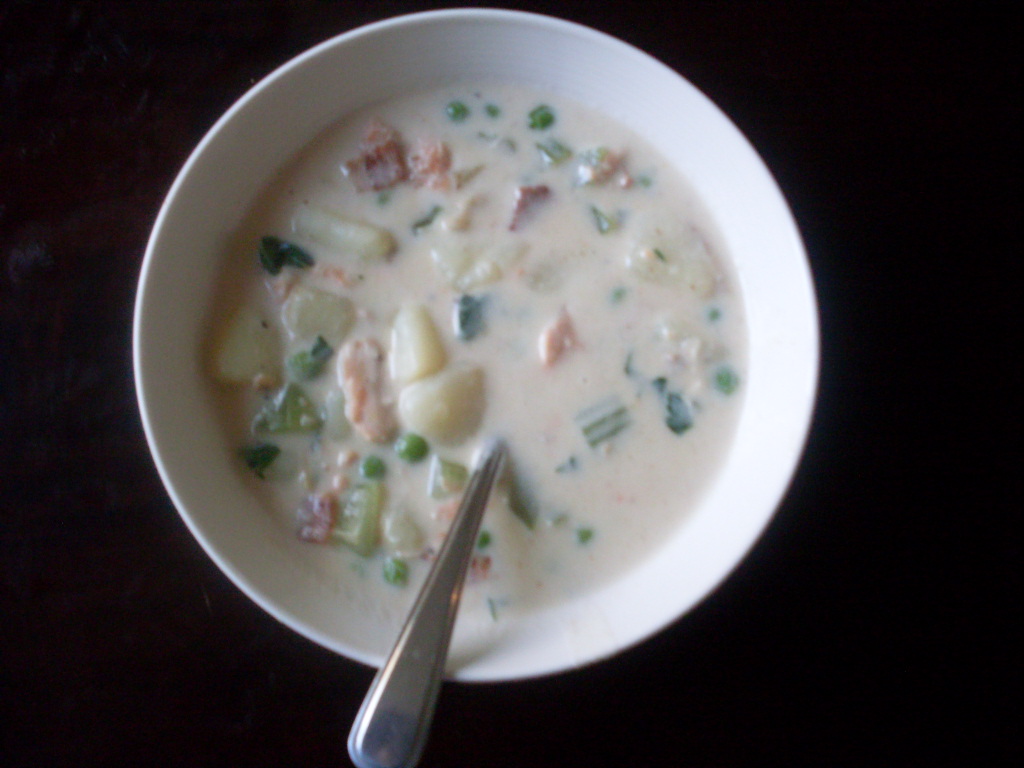
 Fortunately, today’s recipe is pretty sound. And it was fished for by the above-implicated weekend fisherman, which means it was local and sustainable and all those keywords that people and I love to toss around. So today, I have for you a recipe for trout chowder, and it is all the things you want from a chowder. Fresh. Moderately healthy, if fattening. Local. Contains bacon. Good stuff.
(Serves six.)
In a large (three or four quart) pot over medium-high heat, crisp up bacon. When bacon is glistening and crispy, add potatoes, stirring to coat, and fry for about three minutes, or until lightly golden. Add celery, garlic, and lemon zest. Sprinkle flour over top of ingredients in pot, and stir once again to coat.
Pour milk into the pot, and reduce to medium heat. Bring mixture to a boil, and once thickened, add pepper, cayenne pepper, and nutmeg. Stir in trout and frozen peas, and cook for five to seven minutes, until trout is cooked through and mixture has returned to a boil.
 Stir in lemon juice, followed by the cream. Taste, and adjust seasonings as needed.
Serve hot, with bread (or corn bread!), and cold, delicious beer. This is the kind of meal that will remind your spouse, special someone, roommate, or friend that you are so much better than the best they could do, and they will appreciate you profusely. If that person has had their tongue in a fish’s mouth recently, you do not have to appreciate him back.
 There’s this tiny shop just off Main Street, on 21st Avenue, called Chocolaterie de la Nouvelle France, and they make fleur de sel caramels that I could spend my last dollars on without regret. They’re like sugar butter. Fortunately, I am becoming slightly wiser as I age – I realized that you can make caramels at home! And we always have butter, sugar, and cream here (I don’t know why we’re putting so much weight on either), so to make a batch of caramels required no special shopping trip.
Making caramel is about the easiest thing ever. It doesn’t seem like it, because molten sugar can be a bit daunting, and a candy thermometer is not everyone’s favourite kitchen tool. But a few ingredients and a little bit of science/magic, and it’s amazing what heat can do.
I don’t have fleur de del, but it doesn’t really matter. A little bit of sea salt in the caramel and some smoked salt for finishing, and these are every bit as delightful as something you could go and buy. If you don’t have smoked salt, use kosher salt, or some other coarse, delicious finishing salt.
In a medium saucepan, bring cream, butter, and salt to a gentle boil. Remove from heat and stir in vanilla. Set aside.
In a large (three or four quart), heavy-bottomed pot over medium-high heat, combine sugar, golden syrup, and water. You can use corn syrup if that’s what you’ve got, but there’s a little rumor going around that high-fructose corn syrup is bad for you. Of course, butter and sugar and cream are not.
Allow sugar to melt before stirring. Stir occasionally with a wooden spoon, watching the sugar closely to ensure that it doesn’t burn. Nothing is a bigger culinary piss-off than getting excited about candy and then burning it. I let mine cook until it reached a red-amber hue. If you go darker than that, the caramel will take on a smokey, slightly burnt taste, which can be sort of good, but more often than not just tastes like you overcooked the sugar.
 When your sugar is bubbly and red-amber, pour in the cream mixture. Don’t freak out. This is going to swell and bubble and threaten to maim you, but it probably won’t. If it didn’t maim me, you’re probably safe – I don’t do anything carefully.
 Reduce heat to medium, and clip in your candy thermometer. Stir occasionally. You want the caramel to reach between 245°F and 250°F, which should take between ten and 15 minutes. Don’t rush it.
 Pour caramel into a 9″x9″ baking dish that’s been buttered and lined with parchment, which you should have also lightly buttered, for good measure. Tip: when lining the bottom of the pan, cut the parchment too long, so that you end up with pieces sticking up on either side; these will act as handles when you go to take your caramel out of the pan – much easier. Let cool for 30 minutes.
 After 30 minutes, sprinkle salt over top of the caramel. Let rest for two hours.
 Cut into one-inch squares with a sharp knife dipped in cold water. You should end up with about 50 caramels. You lucky duck.
 You can proceed to wrap each one with parchment or wax paper, or put each one into those little candy cups that look like mini cupcake wrappers. I’m sure they have a name, and I bet you can Google it.
Serve. To others, to mom (happy Mother’s Day!), or just to yourself. Enjoy!
 well fed, flat broke